E-Bike Rental in Malta: How to Run a Profitable Electric Bike Rental Business
Running an e-bike rental business in Malta: pedelec rules, 250 W limit, heat and hills, battery care, insurance and fleet tracking.
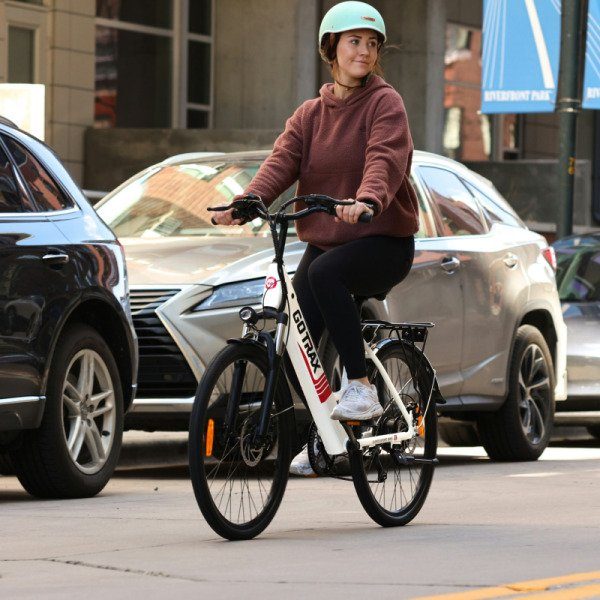
E-bikes suit Malta well: short distances, steep climbs between the coast and the interior villages, and long hot summers that make pedalling hard work. To run an electric bike rental business in Malta you need to rent the right kind of e-bike (a 250 W pedelec), understand the rules that apply to it, look after expensive batteries and keep a precise eye on a fleet that is worth far more than ordinary bikes. Here is what you need to know, based on the Maltese and EU texts.
Why e-bikes make sense in Malta and Gozo
Distances in Malta are short, but the terrain is not flat. Valletta, Mdina and many villages sit on high ground, and Gozo is a succession of hills and valleys. Add summer heat, July and August being the hottest months, and an ordinary bike quickly becomes a hard sell for a holidaymaker. Electric assistance turns the same ride into an easy day out.
The market is there. The National Statistics Office (NSO) counted 4,022,310 inbound tourists in 2025, 57.3 per cent of whom visited Gozo and Comino, and the two largest age groups were 45 to 64 (36.3 per cent) and 25 to 44 (36.2 per cent). These are exactly the visitors who want to explore under their own steam without arriving exhausted. The Gozo Channel ferry also carries bicycles: the bicycle fare was EUR 1.15 in October 2026, which makes island-hopping by e-bike an easy product to sell.
What the law says about pedelecs in Malta
The Low-Powered Vehicles and Pedal Cycles Regulations (S.L. 65.26) define a pedelec as a pedal electric cycle whose motor starts when the rider pedals and stops when the rider stops. Regulation 3 forbids fitting a bicycle with an electric motor above 250 watts producing a speed above 25 km/h. At EU level, Regulation 168/2013 excludes pedal-assisted cycles of up to 250 W whose assistance cuts out before 25 km/h from the type-approval rules for mopeds and motorcycles.
In practice, the line that matters for a rental fleet is 250 watts:
- 250 W or less: the pedelec is not registered with Transport Malta (regulation 4(3)), and the regulation sets no compulsory insurance, helmet or minimum age for it.
- More than 250 W: registration with Transport Malta (EUR 11.65 fee in the text), third-party insurance, a rider aged at least 16 with a valid ID who has passed a theory test, and a compulsory helmet.
- In both cases, regulation 6 requires a manufacturer's plate showing the nominal voltage and rated output, an identification number on the frame, effective brakes and a switch or mechanism that cuts power to the motor.
For a tourist rental, the choice is easy: stick to 250 W pedelecs limited to 25 km/h. Anything more powerful means paperwork for every bike and restrictions on who can ride it. Helmets have been optional for ordinary bikes and 250 W pedelecs since the 2018 reform, but offering one with every rental is good practice. The consolidated text on legislation.mt is amended up to Legal Notice 137 of 2018, so check for later changes before you open.
Above 250 W, every bike brings paperwork and restrictions.
- 250 WMaximum motor output
At or below it, no registration with Transport Malta.
- 25 km/hSpeed limit for the motor
A bicycle motor must not drive it faster.
- 16Minimum age above 250 W
With a valid ID and a theory test passed.
- EUR 11.65Registration fee above 250 W
Plus third-party insurance and a compulsory helmet.
Licences, VAT and insurance for an e-bike fleet
One point deserves a written answer from Transport Malta before you launch. The Light Passenger Transport Services and Vehicle Hire Services Regulations (S.L. 499.68) make the hiring out of motor vehicles subject to a Transport Malta operator licence, and their definition of motor vehicle includes low-powered cycles, which cover power-assisted bicycles. Whether a fleet of unregistered 250 W pedelecs falls within this regime is not spelt out, so ask the Land Transport Directorate and keep their reply.
On VAT, the standard rate is 18 per cent. The VAT Act applies 7 per cent to the use of sporting facilities, but bike hire is not named in it: confirm the rate with the MTCA or your accountant. Our guide on how to start a bike rental business in Malta covers company registration, VAT options and other permits in detail.
Insurance is not compulsory for 250 W pedelecs under S.L. 65.26, but an e-bike fleet is a significant investment and customers ride on busy roads. Look for third-party liability, theft cover that accepts your locking and storage set-up, and damage cover. Ask the insurer how they treat batteries and fire risk on your premises.
Choosing e-bikes that survive Maltese conditions
Salt air, dust, heat and steep climbs are hard on equipment. Before buying, think about:
- Motor: a mid-drive motor handles climbs better than a hub motor, which matters for Gozo and the interior.
- Battery capacity: a full day touring Gozo with hills needs more range than a seafront ride. Use the manufacturer's real-world range figures, not the best case.
- Removable batteries: easier to charge indoors and to swap during a long day. From 18 February 2027, the EU Batteries Regulation requires batteries for light means of transport, including e-bikes, to be replaceable by an independent professional.
- Frame sizes and step-through frames: many renters are not regular cyclists.
- Brands with a local dealer or service network, so spare parts and warranty repairs do not mean weeks without a bike.
- Grants: Transport Malta runs 2026 schemes for new pedelecs and for converting bicycles to pedelecs. Check on transport.gov.mt whether a business can apply, the amounts and the conditions before ordering.

Battery care, charging and end of life
The battery is the most expensive and most fragile part of an e-bike. A few habits extend its life and cut the fire risk:
- Charge with the original charger, in a ventilated area, away from flammable materials, and never unattended overnight in a closed room.
- Keep batteries out of direct sun in summer, both on the bikes waiting outside and in storage.
- Follow the manufacturer's recommended charge level for storage during the quiet months.
- Record each battery's serial number, the bike it is fitted to and any incident, so you can spot a weak battery before it strands a customer.
- Inspect batteries after any fall or impact and take a damaged battery out of service.
At end of life, a lithium battery is waste that must go to a proper collection channel. Malta's Waste Management (Waste Batteries) Regulations, in force since October 2025, apply the EU Batteries Regulation with the Environment and Resources Authority (ERA) as the competent authority. Return worn batteries through your supplier or an authorised collection point, and if you import e-bikes or batteries directly, ask ERA whether you count as a producer with registration duties.
- 01Charge safely
Original charger, ventilated area, never unattended overnight in a closed room.
- 02Keep out of the sun
On the bikes outside and in storage.
- 03Store at the right level
Follow the manufacturer’s charge level for the quiet months.
- 04Track every battery
Serial number, bike fitted and any incident.
- 05Inspect after a fall
Take a damaged battery out of service.
Maintenance and fleet tracking
An e-bike fleet earns money only when every bike is charged, safe and available at the right time. That takes more organisation than a fleet of ordinary bikes:
- a check after every rental: brakes, tyres, lights, bell, battery level and any error code on the display;
- a maintenance schedule by bike, since brake pads and chains wear faster with the extra weight and torque;
- a clear status for each bike (available, rented, charging, in the workshop) so the counter never promises a bike that cannot go out;
- the frame number of each bike, which regulation 6 requires anyway, linked to its rental history to settle damage claims.
With a dozen e-bikes and bookings coming in online, a paper notebook is no longer enough. A booking system that blocks a bike while it is unavailable avoids double bookings and disappointed customers. Read our article on online booking for bike rentals in Malta and Gozo for the booking side.
Pricing and deposits for e-bikes
E-bikes cost more to buy, insure and maintain, so their rates must be higher than those of ordinary bikes, with multi-day discounts that still cover battery wear. The deposit is also a key issue: with bikes worth thousands of euros, a security deposit taken by card pre-authorisation protects you without tying up the customer's money. Agree in the rental contract who pays for a lost charger, a damaged display or a missing battery key.
Frequently asked questions
Do e-bikes need to be registered in Malta?
Not if their motor is 250 W or less. Under S.L. 65.26, pedelecs of up to 250 W are not registered with Transport Malta, while power-assisted cycles above 250 W must be registered, insured and ridden by someone aged at least 16 with a helmet.
Is a helmet compulsory on a rental e-bike in Malta?
The regulation requires a helmet only on power-assisted cycles above 250 W. For standard 250 W pedelecs it is optional, but offering one with every rental is good practice.
Do I need a licence to rent out e-bikes in Malta?
Transport Malta licenses vehicle hire operators under S.L. 499.68, whose definition of motor vehicle includes power-assisted cycles. Whether unregistered 250 W pedelecs are covered is not spelt out, so ask Transport Malta in writing before you open.
What should I do with worn e-bike batteries in Malta?
Hand them to your supplier or an authorised collection point. Malta's waste battery regulations of October 2025 apply the EU Batteries Regulation under the ERA. If you import batteries yourself, check with ERA whether you have producer obligations.
Can rental e-bikes go on the Gozo ferry?
Yes, the Gozo Channel ferry between Cirkewwa and Mgarr carries bicycles. The bicycle fare was EUR 1.15 in October 2026, on top of the passenger fare.
E-bike rental in Malta has everything going for it: hills, heat and millions of visitors who want to explore without effort. The business works if you choose compliant 250 W pedelecs, clear up the grey areas with Transport Malta and the tax authorities, take care of the batteries and know at all times where each bike is and whether it can go out. BikUp Pro is e-bike rental software built with independent operators: fleet planning, online booking and payment, pre-authorised deposits, automatic multi-day rates and a booking site in your own brand. Ask to be called back or join the beta: beta testers get six months free.
Get a call backAlso worth reading
A free bike rental profitability calculator for rental shops
Free bike rental profitability calculator: revenue, break-even occupancy and payback period in about three minutes, with no sign-up.
Read the article →
Bike Rental Pricing in Malta: Daily Rates, Multi-Day Discounts, Deposits and VAT
Bike rental pricing in Malta and Gozo in 2026: daily rates, multi-day discounts, seasons, deposits and VAT, plus a method to set yours.
Read the article →Running a Gozo Bike Rental Business: Ferry, Seasons, Guests and Delivery
How to run a Gozo bike rental business: the Gozo Channel ferry, summer peaks, who rents, delivery to guests and accommodation partnerships.
Read the article →